01
What is a quality tier?
Designer dupe quality is usually described in three tiers. Budget tier ($20–60) captures the silhouette and logo at lower material quality — right for someone testing the waters. Mid tier ($60–120) uses better materials and hardware that produce convincing results for most items. Premium tier ($120+) invests in the closest possible material match to the retail piece — recommended for complex items like Chanel bags or Chrome Hearts jewellery.
02
How do I know if a source is reliable?
Look for consistent community feedback with photos. The rep and dupe community on Reddit, TikTok and Discord maintains active quality discussions. Search for the specific item you're buying and look for in-hand photos from real buyers. Avoid sources with only stock photos or generic listings without item-specific photos.
03
What should I check before confirming an order?
For bags: material feel description, hardware weight, and logo/print accuracy photos in natural light. For clothing: fabric weight, construction detail close-ups, logo accuracy. For accessories: metal quality description, plating type (silver, gold-tone, rhodium), and engraving depth photos.
04
What happens if I receive something that looks wrong?
Contact the seller immediately with photos. Most quality mid and premium tier sources have replacement or partial refund policies for items that significantly differ from advertised quality. Keep all packaging until you're satisfied with the item.
05
Is it worth paying for premium tier?
For structurally complex items — Chanel bags, Chrome Hearts jewellery, LV Pochette Metis — yes. Budget and mid-tier shortcuts are visible on these items. For simpler items — Gucci belts, Burberry scarves, Essentials hoodies — mid-tier is the sweet spot. Budget tier is fine for testing whether you like a style before investing more.
Ready to Find Your Dupe?
Use the Dupe Finder for a personalised recommendation, or browse all items.
Use Dupe Finder →
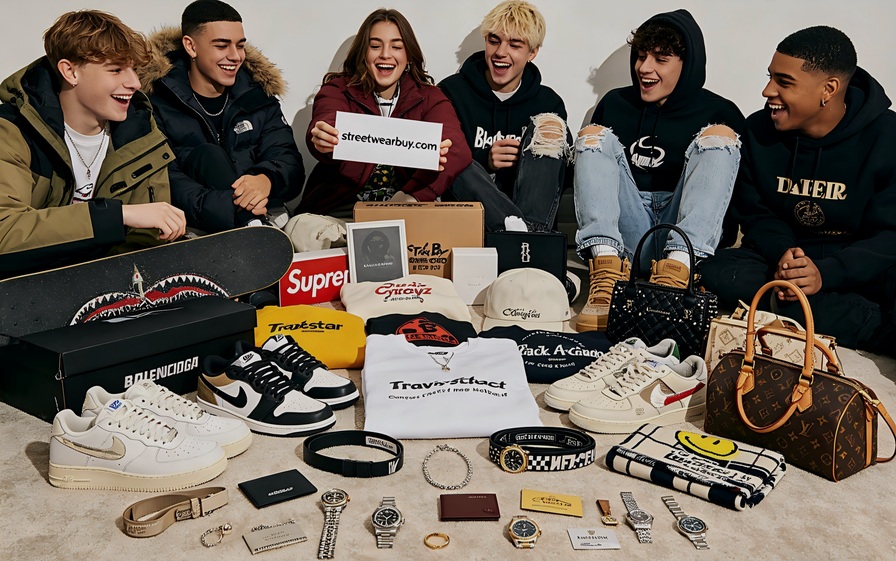
The buying process for designer alternatives in 2026 is more straightforward than it was two years ago — more documented sellers, more community reviews, and better price transparency. The practical steps: identify the specific item you want, research community reviews for that exact piece at your target price, verify the seller's return policy before purchasing, and request detailed photos before committing. For bags, the bag dupes hub has brand-specific quality notes. For shoes, the shoe alternatives page. For clothing, the clothing dupes hub. The find directory has specific item guides with current picks across all categories.
The alternative market continues to evolve — quality thresholds shift, new sellers emerge, and community documentation grows more detailed each month. Check recent posts in dedicated communities before purchasing for the most current picks. The find directory has specific item guides with regularly-updated picks. The bag dupes hub, shoe alternatives, and clothing dupes cover the full category range. The guides section has practical buying advice for new and experienced buyers.
The process for buying designer alternatives safely and efficiently follows a consistent pattern regardless of which brand or item you are sourcing. Understanding the full process before starting prevents the most common mistakes — primarily overpaying for poor quality or underpaying for items where quality matters.
Step one is research. Identify the specific item, colorway, and quality tier you want before looking at any listings. Use community resources to find current batch recommendations for your specific item. Batch recommendations change over time as sellers update production; information older than six months should be re-verified.
Step two is agent selection. Choose a purchasing agent appropriate for your buying profile. For first-time buyers, Superbuy or Pandabuy provide the most accessible English-language experience. Use the fee calculator to model total cost including agent fees and shipping before committing to a specific purchase.
Step three is QC review. When your item arrives at the agent warehouse, review QC photos carefully before approving shipment. Use the QC checklist for your specific item type. Do not rush this step — QC rejection pre-shipment is far more cost-effective than receiving and returning a problem item internationally.
Step four is shipping selection. Choose your shipping method based on your timeline, budget, and destination country's customs context. Review the current community guidance on shipping line performance for your destination before selecting. Economy lines offer the best cost-per-kilo but require patience; express lines cost more but provide better tracking and faster delivery.
Designer alternatives benefit from the same care practices as authentic luxury goods. Leather bags should be stored in dust bags, stuffed to maintain shape, and conditioned periodically with appropriate leather treatment. Canvas bags should be kept away from moisture and stored upright. Hardware can be maintained with a soft cloth to remove fingerprints and surface oxidation.
Quality alternatives that are properly cared for maintain their appearance significantly longer than neglected pieces. The investment in basic care products — leather conditioner, storage bags, humidity control — is small relative to the item cost and extends the useful life substantially. This is particularly true for leather alternatives using genuine leather, which responds to conditioning the same way authentic luxury leather does.
First-time buyers most commonly underestimate total cost by ignoring shipping and fees. The second most common mistake is buying without community research and receiving a poor-quality item at a price that would have secured a quality alternative with twenty minutes of research. The third mistake is approving QC photos too quickly without careful evaluation. All three mistakes are preventable with the systematic approach described in this guide.
The learning curve for rep buying is real but manageable. First purchases require more research time than subsequent ones because the research skills — knowing where to look, what to look for, how to evaluate — develop with practice. Most buyers report that their third purchase required a fraction of the research time of their first, with proportionally better outcomes. Invest the research time on early purchases to build the foundation.
Community participation accelerates the learning curve. Asking questions in active community forums, sharing QC photos for feedback, and reading other buyers' experience posts all build knowledge faster than individual research alone. The community has accumulated substantial collective knowledge that is accessible to anyone willing to engage with it constructively.


![Moncler Jogger Pants [11 styles]](https://streetwearbuy.com/api/static/products/WEIDIAN_7627039497_2.webp)


![Stussy International Hoodie [39 styles]](https://streetwearbuy.com/api/static/products/WEIDIAN_7627128684_1.webp)

![Louis Vuitton Monogram Cap [26 styles]](https://streetwearbuy.com/api/static/products/WEIDIAN_7627260387_1.webp)

![AMI Paris Heart Logo Sweater [40+ Styles]](https://streetwearbuy.com/api/static/products/WEIDIAN_7624121997_3.gif)
![Carhartt Hooded Jacket [3 styles]](https://streetwearbuy.com/api/static/products/WEIDIAN_7629775264_1.webp)


